Introduction
Fiber Reinforced Polymer (FRP) core rods are transforming industries with their strength and lightweight properties. These rods provide essential reinforcement in composite insulators, fiber optic cables, and various industrial applications. In this article, we will explore how FRP core rods are used, their key benefits, and why they are a vital material in modern engineering.
Core Features and Benefits of FRP Core Rod
Exceptional Strength-to-Weight Ratio
FRP core rods provide an outstanding strength-to-weight ratio, which makes them ideal for use in environments where both durability and lightweight properties are critical. For instance, these rods are used in high-voltage power transmission systems and fiber optic cables, where they provide structural integrity without adding unnecessary weight. Unlike steel, which is significantly heavier, FRP rods offer the same or even superior strength while being much lighter. This not only reduces installation costs but also enhances performance, especially in applications where weight reduction is crucial.
Corrosion Resistance
One of the key advantages of FRP core rods is their superior resistance to corrosion. Unlike metals, which can rust and degrade when exposed to chemicals, moisture, or harsh environmental conditions, FRP rods are virtually impervious to these elements. This makes them the preferred choice in marine environments, chemical plants, and areas with high humidity or salt exposure. FRP rods maintain their structural integrity for decades, significantly reducing maintenance costs and enhancing the longevity of the systems they are part of.
Electrical Insulation and Safety
FRP core rods are inherently non-conductive, making them an excellent choice for use in electrical systems, particularly in high-voltage power lines and telecom infrastructure. These rods prevent electrical breakdown by acting as an insulating backbone in composite insulators. They help to ensure that there is no electrical leakage, thus safeguarding both the system and workers. In addition, the ability of FRP rods to be safely used around power lines and other electrical components makes them a crucial part of modern infrastructure.
Durability and Longevity
FRP rods are known for their durability, withstanding harsh environmental factors such as extreme temperatures, humidity, and chemical exposure. Their impact resistance and ability to endure continuous mechanical loads without failing make them an ideal choice for long-term use. FRP core rods, unlike metals, do not degrade over time, which means they provide reliable performance for decades. This reduces the need for frequent replacements, offering significant savings in maintenance and repair costs.
Primary Uses of FRP Core Rod
Power Transmission and Distribution
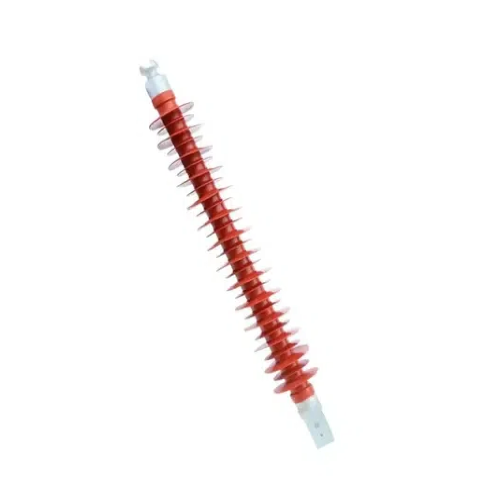
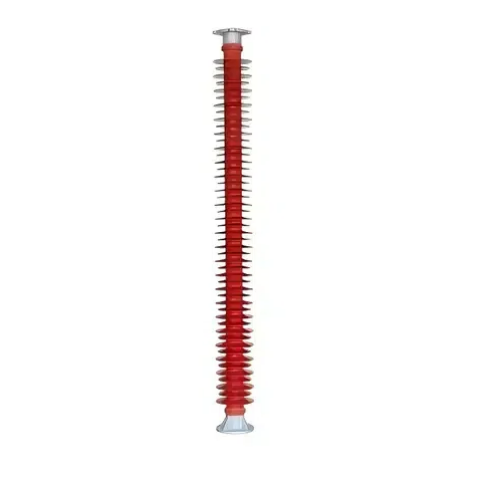
In power transmission, FRP core rods are used as the central reinforcement in composite insulators that support overhead power lines. These rods bear the mechanical loads from the electrical conductors and help to insulate the system, preventing electrical breakdown. FRP core rods' excellent strength and resistance to environmental factors ensure that they can handle the stresses of high-voltage lines, making them a safer and more durable choice compared to traditional metal rods.
Telecommunications and Fiber Optic Cables
FRP core rods are widely used in the telecommunications industry, particularly in fiber optic cables. In these applications, they provide structural support and prevent the delicate optical fibers from bending or breaking. FRP rods are used as central or peripheral reinforcement, ensuring that the cables maintain their integrity during installation and use. The rods also reduce tension on the fiber optic cables, which helps to prevent signal degradation and improve the overall performance of the network.
Industrial Applications
FRP core rods are widely used in industrial applications where their strength, lightweight, and resistance to moisture-induced dimension changes are critical. The following table breaks down their use in various industries, highlighting technical specifications and advantages for each application.
| Application | Use | Key Features | Efficiency | Technical Specifications | Considerations |
| Winding Films & Foils | Used in winding plastic films, metal foils, and specialty papers. | Prevents moisture-induced dimension changes. Lightweight but rigid. | Increases production speed and consistency. | Low moisture absorption, high tensile strength. | Ensure proper handling to avoid mechanical damage. |
| Industrial Machinery | Reinforces industrial equipment such as conveyors and presses. | Excellent impact resistance and corrosion resistance. | Reduces machinery downtime. | Tensile strength: 1200 MPa, Density: 1.8 g/cm³ | Proper installation and periodic maintenance are required. |
| Plastic Film Production | Used to create stable, precise molds for plastic films. | Provides rigidity without compromising flexibility. | Enhances molding accuracy. | Bending strength: 350 MPa, Surface smoothness: high. | Check for surface damage during installation. |
| Converting Equipment | Reinforces machinery for creating films and foils. | Prevents dimensional changes from moisture and temperature. | Ensures consistent product quality. | Resistance to chemical corrosion and temperature changes. | Requires precise setup to avoid deformation. |
Tip:For industrial machinery applications, ensure that the FRP core rods are installed correctly to avoid mechanical failure due to mishandling or environmental factors.
Marine and Chemical Applications
FRP core rods are highly resistant to corrosion, making them perfect for use in marine environments, chemical processing, and offshore platforms. These rods offer reliable performance even in highly corrosive conditions, such as saltwater or exposure to chemicals. In these industries, FRP rods are used in structural components, reinforcing cables, and ensuring that machinery and systems remain intact without the need for frequent replacements due to rust or degradation.
Manufacturing Process of FRP Core Rod
Pultrusion Method
The pultrusion process is essential for manufacturing FRP core rods with uniform fiber alignment and high mechanical properties. The following table details the key aspects of the pultrusion process, including its benefits, technical specifications, and efficiency.
| Aspect | Details | Benefits | Technical Specifications | Considerations |
| Process | Pultrusion involves continuous fiber reinforcement through a resin bath, followed by curing in a heated die. | Ensures unidirectional fiber alignment for maximum strength. | Fiber alignment accuracy: ±0.3mm, Resin type: Epoxy or Vinyl Ester. | Requires precise temperature control for optimal results. |
| Efficiency | Continuous production with minimal manual intervention. | Reduces production time and cost. | Speed: 5–10 meters per minute. | Proper resin application is critical for quality control. |
| Customization | Custom lengths, diameters, and coatings are available. | Allows for tailored solutions for specific applications. | Diameter range: 0.5 mm to 5 mm. | Ensure that the custom specifications match the intended application. |
| Material Types | E-glass, carbon fiber, or aramid fibers are used depending on the application. | Offers flexibility in material selection for different strength and flexibility requirements. | Tensile strength: Up to 1200 MPa. | Select the correct fiber material for the intended load. |
| Advantages | High strength-to-weight ratio, low maintenance. | Increased durability and longevity. | High tensile strength: 1200 MPa, Density: 1.8 g/cm³. | Requires regular monitoring for quality assurance. |
Tip:For customized FRP core rods, ensure that the resin system and fiber type are selected according to the specific mechanical requirements of the application to achieve optimal performance.
Customization and Specifications
FRP core rods can be customized in terms of diameter, length, and coating to meet specific application requirements. The rods are available in a wide range of sizes, from small diameters used in telecommunications cables to larger ones needed for power transmission. Custom coatings, such as EAA or HDPE, are applied to the rods to improve adhesion and enhance their performance in specific environments. This level of customization makes FRP core rods adaptable to a variety of industries and applications.
Advantages Over Traditional Materials
Weight and Handling Efficiency
FRP core rods are significantly lighter than metals like steel, which makes them easier to handle and install. The lightweight nature of FRP rods reduces transportation costs and the need for heavy lifting equipment, thus streamlining installation processes. Additionally, their reduced weight places less strain on the supporting infrastructure, making them a more efficient and cost-effective option.
Cost-Effectiveness in Long-Term Use
Although FRP core rods may have a higher initial cost than traditional materials, their long-term durability and low maintenance needs make them more cost-effective in the long run. FRP rods do not require frequent replacements or repairs, which significantly reduces operational and maintenance costs. Their resistance to corrosion and environmental degradation ensures that they remain functional and reliable for decades.
Resistance to Harsh Conditions
FRP rods are ideal for use in environments where traditional materials like metals would fail due to corrosion, rust, or physical wear. Their ability to resist high temperatures, chemicals, and moisture makes them the go-to choice for industries such as power transmission, telecommunications, and offshore drilling. In addition, their long-lasting durability reduces the need for regular maintenance, saving time and money.
Future Trends and Developments in FRP Core Rod Applications
Innovations in Material Technology
Advancements in resin systems and fiber technologies are leading to even stronger and more efficient FRP core rods. Research is ongoing to improve the strength-to-weight ratio, making FRP rods even more effective for weight-sensitive applications. As new materials are developed, the performance of FRP rods will continue to improve, enabling them to meet the demands of increasingly complex engineering challenges.
Expansion into New Industries
FRP core rods are expanding beyond traditional applications in power transmission and telecommunications. They are being increasingly used in renewable energy projects, such as wind turbines, where their lightweight and strength make them ideal for reinforcing turbine blades. The adaptability of FRP rods means that their applications will continue to grow in industries like aerospace, automotive, and even construction.
Environmental Impact and Sustainability of FRP Core Rods
Eco-Friendly Manufacturing Process
The production of FRP core rods is more sustainable than traditional materials. The pultrusion process, combined with the use of recyclable materials such as E-glass fibers, reduces the environmental impact of manufacturing. Furthermore, FRP rods contribute to sustainability in infrastructure projects by reducing the need for frequent replacements and maintenance.
Durability Reducing Waste
The long service life of FRP rods means fewer replacements are required, which significantly reduces waste. Their durability in harsh environments ensures that these rods continue to perform effectively over decades, minimizing the environmental footprint associated with frequent repairs or replacements.
Contribution to Sustainable Infrastructure
FRP core rods play a crucial role in creating sustainable, long-lasting infrastructure. Their use in energy, telecommunications, and construction projects helps to reduce the overall environmental impact of these sectors. As industries shift toward more sustainable practices, the role of FRP materials in reducing carbon footprints and promoting green construction will continue to grow.
Conclusion
FRP core rods offer exceptional strength, corrosion resistance, and electrical insulation, making them essential in industries like power transmission and telecommunications. These rods provide long-term reliability, reduce maintenance costs, and are highly durable in harsh environments. Hebei Jiuding Electric Co., Ltd. manufactures high-quality FRP core rods that help industries enhance performance while maintaining cost-effectiveness. Their products offer unique advantages in terms of strength, longevity, and resistance to corrosion, ensuring that clients can rely on them for sustainable and efficient solutions.
FAQ
Q: What is an FRP Core Rod?
A: An FRP Core Rod is a structural component made from fiber-reinforced polymer. It is used in industries like power transmission and telecommunications due to its strength, lightweight, and corrosion resistance.
Q: How are FRP Core Rods used in power transmission?
A: FRP Core Rods are used as central reinforcement in composite insulators for overhead power lines. They provide structural support and electrical insulation, ensuring the system’s longevity and safety.
Q: Why are FRP Core Rods preferred over metal rods?
A: FRP Core Rods are preferred because they are lightweight, corrosion-resistant, and offer a high strength-to-weight ratio. They also perform well in harsh environments where metal rods may degrade over time.
Q: Can FRP Core Rods be used in fiber optic cables?
A: Yes, FRP Core Rods are commonly used as reinforcement in fiber optic cables. They prevent cable deformation and reduce stress on the optical fibers, ensuring better signal integrity.
Q: How does the cost of FRP Core Rods compare to metal alternatives?
A: While FRP Core Rods may have a higher initial cost than metal rods, their durability, low maintenance, and resistance to corrosion make them more cost-effective in the long term.
Q: What are the main benefits of using FRP Core Rods?
A: The main benefits of FRP Core Rods include their lightweight nature, excellent corrosion resistance, high tensile strength, and electrical insulation properties, making them ideal for use in demanding environments.


