Urban rail transit systems are the lifelines of modern cities, carrying millions of passengers daily while ensuring efficient and reliable transportation. With such heavy usage, safety, reliability, and operational efficiency are paramount. One often-overlooked component that significantly impacts urban rail safety is the insulator—specifically, composite insulators, which have become a cornerstone in modern rail electrification systems.
Composite insulators are designed to support and electrically isolate overhead catenary wires, preventing leakage currents, electrical faults, and equipment damage while withstanding harsh environmental conditions. Unlike traditional ceramic or glass insulators, composite insulators combine polymer housing with a core material, offering superior mechanical strength, lightweight construction, and excellent contamination resistance.
This guide explores how composite insulators enhance safety in urban rail transit systems, examining their design, operational benefits, maintenance advantages, and role in ensuring reliable and secure rail operations. Additionally, it emphasizes why partnering with Hebei Jiuding Electric Co., Ltd. ensures access to high-quality composite insulators engineered for the rigorous demands of modern urban rail networks.
Understanding Composite Insulators
Definition and Structure
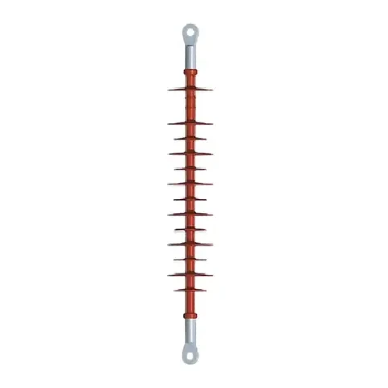
A composite insulator is an electrical insulator composed of a polymer housing (often silicone rubber) and a fiberglass-reinforced epoxy core. The polymer housing provides high hydrophobicity, preventing moisture accumulation and reducing leakage currents, while the core provides mechanical support to withstand tensile and compressive forces from overhead wires and environmental stresses.
Key structural elements include:
Fiberglass core rod: Provides tensile strength and supports mechanical load.
Polymer housing (Shed): Offers electrical insulation and hydrophobic properties.
End fittings: Metal fittings at both ends facilitate connection to conductors and supporting structures.
The combination of materials allows composite insulators to resist pollution, mechanical shock, and environmental degradation more effectively than conventional ceramic or glass alternatives.
Applications in Urban Rail Systems
Composite insulators are used in several critical urban rail applications:
Overhead catenary systems (OCS): Supporting high-voltage wires while maintaining electrical isolation.
Electrical substations: Isolating high-voltage connections in compact urban environments.
Signal and communication lines: Providing electrical insulation for low-voltage control and monitoring systems.
Their lightweight design, flexibility, and high mechanical strength make them ideal for urban rail where space, safety, and environmental challenges are significant.
Safety Advantages of Composite Insulators
Electrical Isolation and Fault Prevention
Composite insulators provide superior electrical insulation, preventing arcing and short circuits. This reduces the risk of train disruptions, electrical fires, or equipment damage. The polymer housing maintains stable insulation even in high-humidity or polluted environments, ensuring continuous safe operation.
Mechanical Reliability
Urban rail systems subject insulators to dynamic mechanical loads, including wind forces, vibrations from high-speed trains, and tension from overhead lines. Composite insulators’ fiberglass core offers high tensile and compressive strength, preventing breakage and maintaining structural integrity over time.
Resistance to Environmental Contamination
Urban rail environments are often exposed to pollutants, dust, and industrial chemicals, which can degrade traditional ceramic insulators. Composite insulators feature hydrophobic polymer surfaces that repel water and resist contamination, maintaining electrical performance even under adverse conditions.
Fire and Arc Resistance
Polymers used in composite insulators are designed to resist tracking and erosion. In the event of flashover, composite insulators reduce the spread of fire and minimize damage to surrounding infrastructure, enhancing overall system safety.
Operational Advantages in Urban Rail
Lightweight and Easy Installation
Compared to heavy ceramic or glass insulators, composite insulators are lightweight, simplifying installation, reducing the structural load on supporting poles, and allowing for more flexible infrastructure designs. This is especially valuable in urban environments with constrained space.
Reduced Maintenance Requirements
The hydrophobic surface and pollution resistance of composite insulators minimize cleaning and inspection needs, reducing maintenance frequency and operational disruption. Fewer maintenance interventions also lower the risk of accidents during inspection and repair.
High Durability and Longevity
Composite insulators resist mechanical fatigue, UV radiation, and environmental stress, offering a longer service life than traditional insulators. Durable insulators reduce replacement frequency, lower lifecycle costs, and maintain continuous system reliability.
Performance Under Extreme Conditions
Urban rail systems experience temperature fluctuations, rain, snow, and wind. Composite insulators maintain performance under these extreme environmental conditions, ensuring that electrical isolation and mechanical support remain consistent.
Materials and Design Considerations
Polymer Housing
The polymer housing, typically silicone rubber, provides:
Hydrophobicity to repel water and reduce leakage currents
Resistance to ultraviolet (UV) radiation
Flexibility to absorb mechanical vibrations
These properties ensure that the insulator performs reliably under long-term environmental stress.
Fiberglass Reinforced Core
The fiberglass core rod delivers mechanical strength and flexibility, allowing insulators to support dynamic loads without cracking. This is crucial for maintaining safe overhead line operation in high-density urban areas.
End Fittings and Connectors
High-quality metal end fittings allow secure attachment to supporting structures and conductors. Corrosion-resistant materials, such as galvanized or stainless steel, extend the insulator’s service life and prevent mechanical failure.
Modular and Customized Designs
Urban rail systems often require custom insulator lengths, voltage ratings, and mechanical strengths. Composite insulators can be engineered to meet specific project requirements, enabling safe operation under unique infrastructure and environmental conditions.
Maintenance and Lifecycle Benefits
Reduced Inspection Frequency
Thanks to pollution resistance and hydrophobic surfaces, composite insulators require fewer cleaning cycles. This reduces maintenance costs and minimizes exposure of maintenance personnel to high-voltage lines.
Predictable Replacement Cycles
Composite insulators provide long-term durability, allowing infrastructure planners to anticipate replacement schedules, reduce unplanned outages, and maintain budget predictability.
Quick Replacement in Case of Failure
In the rare event of failure, lightweight composite insulators can be replaced quickly, minimizing system downtime and ensuring operational continuity.
Enhancing Urban Rail Safety
Minimizing Electrical Hazards
By maintaining reliable insulation, composite insulators prevent accidental arcing, flashovers, and short circuits. This protects passengers, workers, and surrounding infrastructure from electrical hazards.
Supporting High-Speed Operations
Modern urban rail systems often operate at high speeds, placing dynamic stress on overhead lines. Composite insulators’ mechanical strength ensures that high-speed trains can run safely without risk of overhead line failure.
Reducing Service Interruptions
Durable, reliable insulators reduce unexpected outages caused by mechanical breakage or contamination, ensuring consistent, safe service for passengers.
Integration with Monitoring Systems
Composite insulators can be integrated with online monitoring systems to track electrical and mechanical performance. Real-time data allows operators to detect early signs of wear or contamination, enabling proactive maintenance and enhanced safety.
Case Studies
High-Density Metro Systems
In Southeast Asian metro networks, composite insulators are widely used in overhead catenary systems. Their lightweight and flexible design allows installation in compact tunnels, providing reliable electrical isolation and reducing maintenance requirements.
Suburban and Regional Rail
Suburban rail networks in South America rely on composite insulators to withstand pollution from urban environments and heavy industrial areas. Hydrophobic surfaces and corrosion-resistant fittings maintain safety and prevent downtime.
New Metro Lines in Africa and Middle East
In new urban rail projects, composite insulators provide cost-effective, high-performance solutions. Their modular designs allow engineers to customize length, voltage rating, and mechanical strength according to local infrastructure requirements.
Advantages Over Traditional Insulators
Compared to Porcelain Insulators
Lighter weight reduces installation costs and structural load
More resistant to impact and vibration
Better performance under contaminated or polluted conditions
Compared to Glass Insulators
Higher flexibility reduces risk of cracking under mechanical stress
Easier to handle and install
Improved long-term performance in UV and chemical exposure
Long-Term Lifecycle Benefits
Composite insulators provide lower maintenance, longer lifespan, and consistent performance, reducing total cost of ownership compared to traditional materials.
Conclusion
Composite insulators play a critical role in enhancing safety and reliability in urban rail transit systems. Their lightweight construction, superior mechanical strength, hydrophobic polymer housing, and resistance to contamination make them ideal for high-density, high-speed, and heavily utilized rail networks. These insulators minimize electrical hazards, reduce maintenance requirements, and ensure uninterrupted operations, contributing to both passenger safety and operational efficiency.
For rail operators and infrastructure planners seeking reliable and high-performance insulators, Hebei Jiuding Electric Co., Ltd. offers top-quality composite insulators engineered for urban rail applications. Partnering with a trusted manufacturer ensures that urban rail systems remain safe, efficient, and compliant with regional standards while delivering long-term operational value.
FAQ
Q: What are the main benefits of composite insulators in urban rail systems?
A: They provide superior electrical isolation, mechanical strength, pollution resistance, and long-term durability.
Q: How do composite insulators improve passenger safety?
A: By preventing electrical faults, arcing, and flashovers, they reduce the risk of accidents and service interruptions.
Q: Why are composite insulators preferred over porcelain or glass?
A: They are lighter, more flexible, resistant to contamination, and easier to install and maintain.
Q: How does maintenance differ for composite insulators?
A: Fewer cleaning cycles are required, replacements are easier, and real-time monitoring can reduce unexpected failures.


