Railway electrification has revolutionized transportation worldwide, enabling faster, cleaner, and more efficient trains. As electrified rail systems expand, the components that ensure safety and reliability become increasingly critical. Among these, composite railway insulators have emerged as a key technology, replacing traditional ceramic and glass insulators in modern electrification systems. Their evolution reflects advances in materials science, electrical engineering, and operational safety, providing railway operators with durable, lightweight, and reliable insulation solutions.
Composite insulators are used to support and electrically isolate overhead catenary systems, substations, and signaling equipment. They prevent leakage currents, reduce flashover risk, and maintain electrical performance under various environmental conditions. Their adoption is driven by performance advantages, ease of installation, and long-term cost-effectiveness, making them a staple in urban rail, high-speed lines, and industrial railway applications.
This guide explores the evolution of composite railway insulators, examining design innovations, operational advantages, safety enhancements, and their role in modern rail electrification. It also highlights why sourcing high-quality insulators from Hebei Jiuding Electric Co., Ltd. ensures reliability, regulatory compliance, and optimal performance in urban and intercity rail networks.
The History of Railway Insulators
Early Materials: Porcelain and Glass
Initially, railway insulators were made from ceramic or glass, providing robust electrical insulation for catenary lines and substations. While durable and effective in dry conditions, these materials had significant limitations:
Heavy weight, complicating installation
Brittle nature, prone to cracking under mechanical stress or vibration
Poor performance under contamination from pollution or moisture
Despite these drawbacks, porcelain and glass dominated early electrification projects due to their proven insulation properties.
Challenges with Early Designs
Railway networks expanded into urban and industrial regions, exposing insulators to dust, pollutants, acid rain, and temperature fluctuations. Traditional insulators required frequent maintenance and replacement, increasing operational costs and downtime. Their mechanical brittleness also posed risks during installation and under dynamic loads from overhead wires and environmental forces.
The Emergence of Composite Insulators
Material Innovation
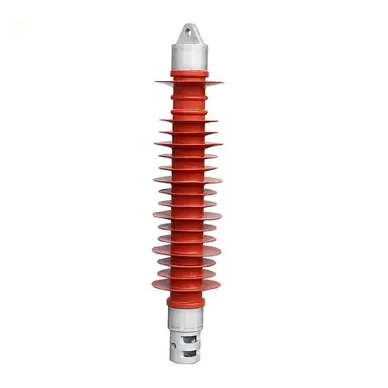
Composite insulators combine fiberglass-reinforced polymer cores with silicone rubber or epoxy housing, offering both mechanical strength and electrical insulation. This innovation addressed many limitations of traditional insulators:
Lightweight for easier handling and installation
Flexible to withstand vibrations and dynamic loads
Hydrophobic surface reducing contamination and flashover risk
The first composite railway insulators appeared in the late 20th century and have since evolved to meet modern electrification standards.
Advantages Over Traditional Insulators
Composite insulators outperformed porcelain and glass in several ways:
Reduced installation weight and structural load on poles
High resistance to environmental stress, UV exposure, and pollutants
Lower maintenance requirements due to self-cleaning, hydrophobic surfaces
Improved mechanical flexibility, reducing breakage risk during handling and operation
These advantages made composite insulators ideal for modern rail systems, especially in densely populated urban areas and harsh climates.
Design Evolution of Composite Insulators
Fiberglass Core Rod
The fiberglass-reinforced core provides tensile strength, allowing the insulator to support heavy catenary wires under tension. Its flexibility helps absorb dynamic mechanical forces from wind, train vibrations, and line oscillations without cracking or failing.
Polymer Housing
The outer polymer, often silicone rubber or EPDM, provides:
Hydrophobicity, repelling water and minimizing leakage currents
Resistance to UV degradation
Flexibility to withstand mechanical stress
This material ensures long-term electrical performance even in polluted or humid environments.
Modular and Customized Designs
Modern composite insulators are available in multiple sizes, voltage ratings, and mechanical strengths, allowing customization for:
Urban metro networks with compact spaces and frequent curves
High-speed lines requiring enhanced tensile performance
Industrial rail systems with exposure to chemical pollutants
Custom design ensures optimal performance for specific rail electrification applications.
Operational Advantages in Modern Rail Systems
Enhanced Electrical Safety
Composite insulators maintain reliable electrical isolation, reducing flashover risks and ensuring uninterrupted power delivery. Hydrophobic surfaces prevent water accumulation, minimizing leakage currents and enhancing safety for both passengers and railway personnel.
Mechanical Durability
Insulators must withstand dynamic loads from high-speed trains, wind forces, and catenary tension. Composite insulators’ fiberglass core and flexible polymer housing allow mechanical compliance without structural failure, preventing costly line interruptions.
Pollution Resistance
Urban rail systems are exposed to dust, industrial emissions, and vehicle exhaust, which can contaminate insulator surfaces. Composite insulators repel contaminants, maintaining electrical performance without frequent cleaning or replacement.
Lightweight Installation
The reduced weight of composite insulators simplifies transportation, handling, and installation. Workers can install insulators more efficiently, reducing labor costs and downtime during electrification projects.
Safety Enhancements
Fire and Arc Resistance
Composite materials are designed to resist tracking, arc formation, and fire propagation. This is essential in high-voltage urban rail networks where electrical faults must not compromise passenger safety or infrastructure.
High Tensile and Compressive Strength
Insulators must support overhead wires under varying environmental stress. Composite designs provide high mechanical strength, reducing the risk of snapping, sagging, or vibration-induced failures.
Real-Time Monitoring Integration
Modern composite insulators can integrate with sensor systems, providing real-time monitoring of electrical leakage, mechanical strain, and temperature. Early detection of abnormal conditions enables preventive maintenance, enhancing rail safety and minimizing unplanned outages.
Maintenance and Lifecycle Benefits
Reduced Cleaning and Maintenance
Traditional porcelain insulators required frequent cleaning to maintain performance in polluted areas. Composite insulators’ hydrophobic and self-cleaning surfaces reduce cleaning frequency and associated labor costs.
Longevity and Lifecycle Cost
Durable composite materials have longer operational lifespans than ceramic or glass alternatives. This reduces replacement frequency and long-term operational expenses, providing a cost-effective solution for urban rail operators.
Easy Replacement
Composite insulators’ lightweight construction allows faster and safer replacement compared to brittle porcelain or glass, reducing downtime during maintenance activities.
Case Studies
Urban Metro Systems
In Southeast Asian metros, composite insulators replaced traditional porcelain on new electrification lines. The switch resulted in lower maintenance costs, improved reliability, and safer high-voltage isolation, even in high-pollution urban environments.
High-Speed Rail
European high-speed rail networks adopted composite insulators for overhead catenary systems. Their mechanical flexibility and lightweight design reduced structural stress on masts and allowed for safer operation at speeds exceeding 300 km/h.
Industrial Rail Lines
In chemical and industrial zones in the Middle East, composite insulators provide resistance to acidic and polluted atmospheres, ensuring electrical insulation and operational continuity in challenging conditions.
Technological Innovations
Hydrophobic Surface Engineering
New generation composite insulators feature super-hydrophobic surfaces, further reducing leakage currents, flashovers, and maintenance needs in humid or polluted regions.
Reinforced End Fittings
Improved corrosion-resistant metal fittings enhance mechanical connections to catenary wires, preventing loosening or failure under dynamic stress.
Sensor Integration
Smart composite insulators can incorporate strain gauges, temperature sensors, and leakage current detectors, enabling predictive maintenance and real-time performance monitoring.
Advantages Over Traditional Insulators
Weight and Handling
Composite insulators are significantly lighter than porcelain, simplifying logistics, installation, and replacement.
Mechanical Flexibility
Unlike brittle ceramic or glass, composite materials absorb mechanical stress without cracking, preventing infrastructure failures during line tension variations.
Pollution and Environmental Resistance
Composite insulators maintain performance in polluted, humid, or industrial environments where traditional insulators fail more frequently.
Maintenance Efficiency
Reduced cleaning and longer lifespan translate into lower maintenance costs and fewer operational interruptions.
Conclusion
The evolution of composite railway insulators has transformed modern rail electrification. Their combination of mechanical strength, hydrophobic polymer housing, lightweight construction, and environmental resistance makes them indispensable for urban metro systems, high-speed rail, and industrial rail lines. Composite insulators enhance operational safety, reduce maintenance, and support reliable, continuous rail electrification.
For operators and engineers seeking reliable, high-performance composite insulators, Hebei Jiuding Electric Co., Ltd. offers top-quality solutions engineered for modern urban and intercity rail networks. Partnering with an experienced manufacturer ensures long-term operational safety, reliability, and compliance with global electrification standards.
FAQ
Q: What are the main benefits of composite railway insulators?
A: They provide electrical isolation, mechanical strength, pollution resistance, and long-term durability.
Q: How do composite insulators improve urban rail safety?
A: By preventing flashovers, reducing leakage currents, and maintaining structural integrity under dynamic loads.
Q: Why are composite insulators preferred over porcelain or glass?
A: They are lighter, more flexible, resistant to environmental stress, and require less maintenance.
Q: Can composite insulators integrate with monitoring systems?
A: Yes, they can include sensors to track electrical, thermal, and mechanical performance in real time.


