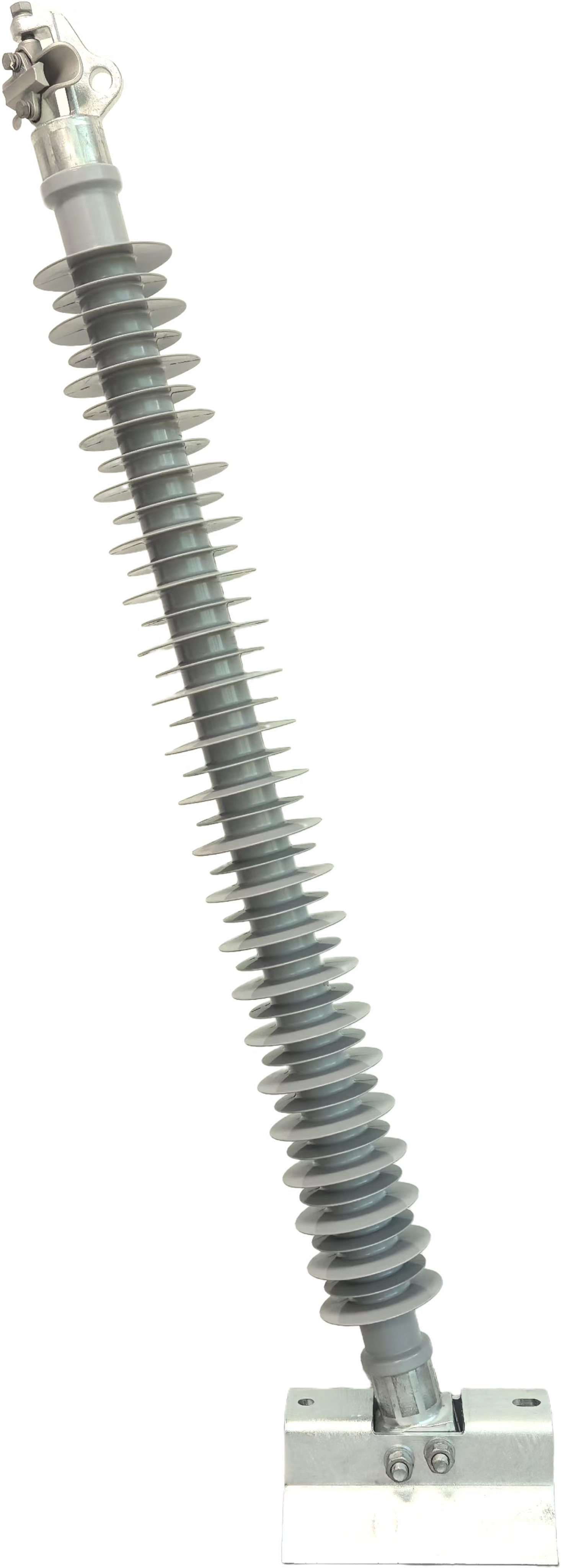
Upgrading overhead distribution networks requires balancing upfront decisions and long-term grid reliability. Utility providers face immense pressure to keep power flowing without interruption. This ongoing challenge pushes grid operators to continually rethink traditional infrastructure designs.
Legacy porcelain and glass insulators have served as industry standards for decades. However, they struggle in extreme environments. High-pollution areas and vandalism-prone zones expose their inherent physical weaknesses. The shift toward advanced materials addresses these specific operational pain points directly.
This guide examines the mechanical and electrical mechanisms behind modern composite solutions. You will discover how a Composite Pin Insulator impacts system performance in demanding conditions. We explore structural advantages, installation realities, and material limitations to help engineers make informed sourcing decisions.
Key Takeaways
Hydrophobic Performance: Silicone rubber housing actively repels water and suppresses leakage currents, drastically reducing wet flashover risks.
Handling & Installation: Weighing up to 90% less than equivalent porcelain units, polymer pin insulators reduce transport breakage and accelerate line installation.
Vandalism Resistance: The resilient fiberglass core and polymer shedding eliminate the catastrophic shattering common in legacy materials.
Lifecycle ROI: Higher initial material costs are typically offset by reduced maintenance cycles, lower shipping costs, and fewer outage-related penalties.
The Structural Mechanics: Silicone Rubber vs. Traditional Materials
Modern grid infrastructure relies heavily on advanced material science. A Polymer Pin Insulator utilizes a fundamentally different construction compared to monolithic porcelain designs. It combines distinct materials to handle mechanical stress and electrical insulation separately.
The FRP Core (Fiberglass Reinforced Polymer)
The internal mechanical backbone consists of a pultruded fiberglass rod. Manufacturers draw continuous glass fibers through a specialized resin bath. They cure the mixture under intense heat to create a dense, rigid structure. This Fiberglass Reinforced Polymer (FRP) core delivers exceptional cantilever and tensile strength. It supports heavy conductor cables while resisting severe wind loads. Unlike brittle ceramic, the FRP core flexes under sudden mechanical shock. This flexibility prevents catastrophic line drops during extreme weather events.
The Weather Sheds (Silicone Rubber Housing)
Engineers protect the sensitive FRP core using a specialized polymer housing. They typically use high-temperature vulcanized (HTV) silicone rubber to form the weather sheds. Silicone possesses unique chemical properties. It features a highly hydrophobic surface. Water forms isolated droplets rather than a continuous conductive film. This action actively suppresses leakage currents.
Silicone also demonstrates remarkable "hydrophobicity transfer." When environmental contaminants coat the surface, low-molecular-weight siloxanes migrate outward. They encapsulate salt, industrial dust, and agricultural chemicals. This chemical encapsulation restores the water-repellent nature of the sheds. The insulator maintains high electrical resistance even in heavily polluted environments.
Hardware Interfacing
The junction between the fiberglass core and metal end-fittings represents a critical design zone. Manufacturers must attach mounting hardware securely without damaging the internal fibers. They achieve this using precision crimping techniques or specialized adhesives.
A flawless moisture-proof seal at this interface is mandatory. If water breaches the connection, it travels along the core. This moisture ingress causes internal electrical tracking. The core degrades rapidly, leading to mechanical failure. High-quality manufacturing processes ensure a permanent, watertight seal at all hardware boundaries.
Material Property Comparison Chart
Property
Porcelain Insulators
Silicone Composite Insulators
Weight
Very heavy
Ultra-lightweight
Hydrophobicity
Low (requires washing)
Excellent (self-cleaning)
Impact Resistance
Poor (shatters easily)
High (absorbs shock)
Pollution Tolerance
Susceptible to flashovers
Actively encapsulates dirt
Key Performance Outcomes for Utility Operators
Utility operators demand reliable performance across diverse geographic conditions. Switching to polymer materials generates measurable improvements in grid stability. The unique structural mechanics translate directly into operational advantages.
Pollution and Flashover Mitigation
Coastal salt fog and heavy industrial smog severely test overhead power lines. Contaminants settle on grid components and mix with morning dew. This mixture creates conductive pathways. Leakage currents travel along these pathways, eventually causing wet flashovers. These flashovers trigger localized power outages.
The hydrophobic nature of silicone directly interrupts this failure chain. Because water beads up and rolls off the sheds, it carries loose dirt away. This self-cleaning action prevents conductive films from forming. Utilities operating in coastal zones report dramatic reductions in nuisance tripping. Reliable power delivery improves community satisfaction and meets strict regulatory targets.
Weight Reduction and Logistics
Supply chain teams appreciate the logistical advantages of polymer materials. Traditional porcelain units weigh a significant amount. They require heavy-duty transport vehicles. They also shatter easily during rough transit over rural roads.
A polymer pin insulator weighs up to 90% less than its ceramic counterpart. This massive weight reduction changes standard shipping protocols.
Logistics teams pack far more units into a single shipping container.
Transport vehicles consume less fuel reaching remote installation sites.
Warehouses eliminate extra storage buffers previously required for breakage allowances.
Workers maneuver pallets easily using standard warehouse equipment.
Impact and Vandalism Tolerance
Grid infrastructure often suffers from deliberate human damage. People throw rocks or shoot firearms at overhead lines. A single bullet strike shatters a porcelain unit instantly. The line drops, causing immediate safety hazards and localized blackouts.
Polymer materials frame flexibility as a core reliability metric. The fiberglass rod absorbs kinetic energy effectively. Bullets may pierce the silicone shedding, but they rarely snap the core. The insulator maintains its structural integrity. It continues supporting the conductor until maintenance crews schedule a controlled replacement. This resilience prevents emergency nighttime dispatches.
Evaluating Installation Reality and Operational Efficiency
Engineering departments look beyond material science when specifying new equipment. They analyze practical field realities. Upgrading distribution networks involves intense labor coordination and routine maintenance planning.
Procurement and Lifecycle Reality
Implementing a composite pin insulator shifts how utility departments manage physical assets. While bulk porcelain remains deeply entrenched in global supply chains, composite alternatives change the timeline of required interventions. Advanced silicone materials defer mandatory maintenance windows significantly. Utilities completely eliminate expensive helicopter washing programs. They redirect limited maintenance budgets toward critical grid modernization projects instead of cleaning ceramic discs.
Labor and Installation Efficiency
Linemen perform dangerous work at elevated heights. Handling heavy components on a utility pole increases fatigue and injury risks. The ergonomic benefits of lightweight polymer materials are substantial. A lineman easily carries a composite unit up a pole in one hand.
This ease of handling accelerates mounting procedures. Crews complete line upgrades faster. Reduced physical strain directly lowers workplace injury rates. Faster installation speeds allow utilities to clear project backlogs efficiently.
Site Preparation: Crews stage lightweight boxes near the utility pole base.
Hoisting: Linemen carry the insulator manually or use a light handline.
Mounting: The worker threads the unit onto the crossarm pin quickly.
Conductor Tying: The lineman secures the conductor using standard preformed ties.
Maintenance Assumptions
Many industry professionals incorrectly label composite materials as entirely "maintenance-free." This assumption leads to operational blind spots. The material does defer aggressive washing schedules. However, it does not eliminate the need for routine visual inspections.
Best Practice: Dispatch inspection crews annually to examine line hardware. Look for signs of wildlife damage or severe lightning strikes. Check the end-fittings for any rust. Ensure the silicone sheds remain pliable and free of deep gouges.
Implementation Risks and Material Limitations
A responsible engineering evaluation demands an objective look at material limitations. No technology solves every distribution problem perfectly. Understanding the risks ensures safer deployment and realistic performance expectations.
UV Degradation and Tracking
Silicone rubber ages differently than inorganic porcelain. Prolonged exposure to intense ultraviolet (UV) radiation breaks down chemical bonds over time. The material gradually loses its vivid color. While high-quality HTV silicone resists UV well, it remains susceptible to long-term environmental aging.
Continuous corona discharge presents another significant threat. High electrical stress at the hardware fittings ionizes the surrounding air. This ionization produces ozone and local heating. Constant corona activity attacks the polymer surface. It causes chalking, erosion, and eventual surface tracking. Engineers expect a realistic operational lifespan of 15 to 25 years before significant degradation occurs.
Handling Precautions
Composite insulators do not shatter like glass. However, they remain highly vulnerable to mechanical abrasion. Construction crews sometimes drag units across rocky ground or pull them sharply against metal truck beds.
Common Mistake: Treating polymer units roughly during staging. Dragging tears the soft silicone sheds. Deep lacerations expose the internal fiberglass core to the environment. Once moisture reaches the core, rapid electrical failure follows. Crews must leave the units in their protective packaging until the exact moment of installation.
Avian and Wildlife Interactions
Wildlife causes thousands of electrical faults annually. Birds land on crossarms and bridge the gap between energized conductors and grounded hardware. Standard wildlife protection guards fit specific porcelain profiles perfectly.
The shed profile of a composite unit is noticeably thinner. Traditional hard-plastic wildlife covers often slide off or fail to clasp the polymer sheds securely. Utilities must source specific wildlife guards designed for thinner composite profiles. Failing to update protective accessories leaves the line vulnerable to persistent animal-related outages.
Procurement Checklist: Specifying the Right Equipment
Procurement teams need precise technical specifications to ensure grid compatibility. Sourcing the wrong hardware compromises system safety. Follow these technical guidelines when evaluating vendor proposals.
Standard Compliance
International standards define minimum safety and performance thresholds. Reputable vendors always supply independent testing reports. Do not accept internal factory tests as the sole proof of quality. Ensure the manufacturer complies strictly with IEC 61952 for composite line post and pin insulators. For North American deployments, verify compliance against ANSI C29.13 standards. These documents prove the design survived rigorous thermal, mechanical, and electrical stress testing.
Creepage Distance Requirements
The leakage distance directly dictates how well the unit handles pollution. Engineers use the Unified Specific Creepage Distance (USCD) to match the hardware to the environment.
Light Pollution: Rural areas require standard creepage distances.
Heavy Pollution: Industrial zones need extended shed profiles.
Very Heavy Pollution: Coastal areas demand maximum creepage designs to prevent salt fog flashovers.
Mechanical Load Ratings
The unit must hold the conductor firmly against extreme weather forces. Engineers calculate the necessary Specified Cantilever Load (SCL) for each grid segment. Ensure the rating exceeds the maximum expected conductor tension combined with local wind and ice loads.
Typical Mechanical Load Considerations
Load Type
Primary Cause
Specification Metric
Cantilever Load
Wind pushing horizontally against the conductor
SCL (Specified Cantilever Load)
Tensile Load
Ice accumulation pulling down on the line
STL (Specified Tensile Load)
Torsional Load
Uneven conductor spans twisting the pin
Maximum Torsional Moment
End-Fitting Types
Compatibility with existing utility poles prevents expensive hardware changeouts. Verify the threading requirements on the bottom base. Specify whether your crossarm pins require standard nylon threads or legacy lead threads. Check the top groove dimensions to ensure they accommodate your specific bare or covered conductor sizes perfectly.
Conclusion
Integrating modern materials into overhead distribution lines offers massive operational benefits. The structural flexibility and self-cleaning nature of silicone rubber solve persistent reliability issues. This shift represents a strategic upgrade for grid resilience in highly challenging environments.
We recommend conducting a focused technical audit. Identify your highest-fault line segments, particularly those located in heavy industrial or coastal zones. Use these difficult spans as immediate pilot testing grounds for polymer upgrades.
Take action by consulting with an experienced technical sales engineer. Review independent testing reports and discuss customized creepage profiles. Adopting these advanced mechanical solutions ensures a safer, more resilient power distribution network.
FAQ
Q: What is the expected lifespan of a composite pin insulator?
A: Typically 15 to 25+ years depending on environmental factors (UV index, pollution severity) and the specific formulation of the silicone rubber. High-quality vulcanized silicone resists aging better, but continuous corona discharge and intense sunlight will eventually degrade the polymer surface over decades.
Q: Can polymer pin insulators completely replace porcelain in all applications?
A: While highly versatile, utilities must evaluate specific mechanical load requirements and extreme UV/tracking environments. In most standard distribution lines up to 33kV, they are a direct drop-in replacement. However, certain heavy-tension dead-end applications might still require specialized hardware considerations.
Q: Do composite insulators require regular washing?
A: Generally, no. Their hydrophobic properties allow them to self-clean during rain, significantly reducing or eliminating the need for routine maintenance washing required by porcelain in polluted areas. The silicone encapsulates contaminants, maintaining high surface resistance even when heavily visibly soiled.