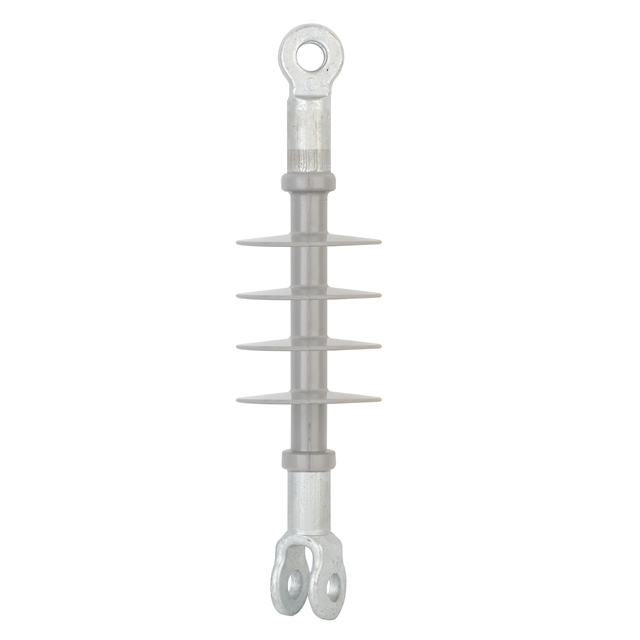
When a severe storm hits a utility service territory, the physical integrity of the distribution grid faces an immediate and brutal test. Power outages cost utilities millions of dollars annually. A massive portion of these operational failures stems directly from aging infrastructure. Traditional glass and porcelain insulators frequently fracture under extreme mechanical stress. They also fail due to environmental contamination, creating severe grid reliability issues. In this comprehensive guide, we explore the critical nuances of choosing modern polymer alternatives. You will learn how to evaluate technical specifications, compare material science, and select the optimal hardware to future-proof your network.
Key Takeaways
Superior Material Composition: Polymer materials provide distinct operational advantages over traditional porcelain. This is primarily achieved through significant weight reduction, advanced surface hydrophobicity, and high impact resistance against vandalism or accidental drops.
Crucial Technical Specifications: Proper selection requires exact alignment of the Specified Mechanical Load, creepage distance, and system voltage rating. For example, specifying a reliable 13kV composite deadend insulator is essential for standard medium-voltage networks.
Application Specificity: Deadend configurations are engineered specifically to manage continuous, high-tension lateral loads at line terminations and sharp directional changes. This differentiates them mechanically from standard vertical suspension setups.
Long-Term Return on Investment: Despite variable initial unit costs, polymer insulators yield a significantly lower total cost of ownership. Utilities achieve this through reduced installation labor, decreased freight expenses, and minimized maintenance requirements in polluted environments.
Industry Trends: The Push for Grid Resilience
Utilities face mounting pressure to build climate-resilient infrastructure. Recent industry analyses highlight a massive transition driven by global grid modernization initiatives. Extreme weather events, ranging from ice storms to hurricane-force winds, demand robust solutions. Consequently, procurement managers and electrical engineers are rapidly moving away from legacy ceramics. The market shows a clear, data-backed shift toward lightweight, durable polymer materials. This industry-wide decision relies on empirical data regarding installation efficiency, environmental performance, and lifecycle durability. Upgrading to modern composite technology is no longer just an alternative; it has become the baseline standard for reliable medium-voltage networks.
What is a Composite Deadend Insulator?
A composite deadend insulator serves as a critical structural and electrical anchor in modern power distribution networks. Field crews often simply call them polymer insulators. Unlike monolithic ceramic units that are heavy and prone to chipping, these modern units utilize three distinct components. Each part serves a highly specific engineering purpose.
The core features a pultruded fiberglass reinforced polymer rod. This rod provides the immense tensile strength required to hold the conductor line tension. A silicone rubber housing and weathersheds completely encapsulate this mechanical backbone. The housing protects the vulnerable fiberglass from ultraviolet rays and moisture. Simultaneously, it provides the necessary electrical insulation and creepage distance. Finally, heavy-duty metal end fittings are crimped onto the ends of the core. This allows for a secure, slip-free attachment to utility poles and conductor clamps.
Specifically, deadend configurations manage mechanical tension. Crews install them strategically at critical network junctures. These include line terminations, sharp directional changes, or spans across significant geographical obstacles like rivers and highways. In these demanding locations, the unit must continuously withstand the immense pulling force of the suspended conductor. Furthermore, it must absolutely prevent electrical current from tracking back to the grounded utility pole.
Deadend vs. Suspension Configurations
While they may look visually similar to the untrained eye, deadend and suspension insulators serve fundamentally different mechanical functions. Suspension insulators hang vertically from a crossarm. Their primary mechanical job is merely to support the downward dead weight of the conductor span.
In contrast, deadend units are installed horizontally or at slight angles. They hold the full lateral tensile pull of the conductor line. Because of this continuous horizontal stress, the mechanical crimping of the end fittings and the tensile strength of the fiberglass core are subjected to far more rigorous loads than those found in a standard suspension application.
Polymer vs. Porcelain and Glass: Why Composite is the Industry Go-To
One of the most measurable differences between polymer and ceramic materials is the physical weight. Composite insulators are typically 70 to 90 percent lighter than their porcelain equivalents of the exact same voltage and mechanical rating.
This drastic weight reduction fundamentally alters the logistics and installation phases of distribution line construction. Imagine a line crew working in a remote, mountainous region or navigating a congested urban alleyway. A single lineman can easily carry and maneuver a composite deadend insulator up a bucket truck. Conversely, a heavy porcelain string often requires specialized rigging, winches, and hoisting equipment. This inevitably increases labor hours and site safety risks. Furthermore, lighter components mean significantly more units can be shipped per container, slashing freight costs.
Hydrophobicity and Anti-Pollution Performance
The electrical performance of an insulator in wet and polluted environments is a primary concern for utility engineers. Porcelain and glass are inherently hydrophilic. Water tends to spread out flat across their surfaces, creating a continuous film. If the surface is coated in environmental pollution like coastal salt spray or industrial soot, this continuous water film becomes highly conductive. This leads to dangerous leakage currents and potential surface flashovers.
Silicone rubber, the primary material for composite housing, is inherently hydrophobic. It forces water to bead up into isolated droplets rather than forming a continuous conductive path. High-quality silicone rubber also exhibits a unique property called hydrophobicity transfer. Low molecular weight siloxanes migrate from the bulk silicone through the accumulated pollution layer to the surface. This renders the dirt layer itself hydrophobic. Consequently, this minimizes the risk of dry-band arcing, making polymer insulators highly reliable in coastal and industrialized zones without the need for frequent washing routines.
Vandalism and Impact Resistance
Porcelain and glass are notoriously brittle materials. They are highly susceptible to mechanical damage from rough handling during transport, accidental drops during installation, and intentional vandalism. A shattered porcelain shed compromises the creepage distance. This often necessitates an immediate, emergency replacement to prevent a localized outage.
Polymer insulators are highly resilient. The silicone rubber sheds are flexible and can absorb significant impacts without shattering. Even if a shed is punctured or slightly torn by a projectile, the overall structural integrity of the fiberglass core usually remains intact. This durability allows the utility to schedule a replacement during routine maintenance rather than dispatching an expensive emergency repair crew.
Feature
Composite Polymer
Porcelain
Toughened Glass
Weight
Very Light
Heavy
Very Heavy
Hydrophobicity
Excellent Water beads up
Poor Water films
Poor Water films
Impact Resistance
High Flexible, non-shattering
Low Brittle, shatters
Low Shatters completely
Maintenance Need
Very Low Self-cleaning
High in polluted areas
High in polluted areas
Installation Speed
Fast Easy to handle
Slow Requires rigging
Slow Requires rigging
Key Technical Specifications for Selection
Selecting the correct insulator is a precise engineering exercise. Procurement managers must carefully match technical specifications to the specific electrical and mechanical demands of the network. Let us break down the exact parameters you need to verify.
Voltage Rating and Creepage Distance
The first specification to determine is the system voltage. The unit must provide sufficient dielectric strength to prevent electrical breakdown under normal operating conditions and during temporary overvoltages. In standard medium-voltage distribution networks, the 15kV class is highly prevalent. When engineering these lines, selecting a highly reliable 13kV composite deadend insulator ensures the component is properly rated for standard 13.2kV and 13.8kV operating voltages.
Creepage distance, often referred to as leakage distance, is the shortest path along the surface of the weather sheds from the energized metal fitting to the grounded metal fitting. Selecting adequate creepage is vital for preventing surface tracking. Engineers use specific ratios, such as millimeters per kilovolt, to calculate the minimum required creepage based on both the system voltage and the severity of local pollution.
Specified Mechanical Load and End Fittings
Because deadend insulators act as structural anchors, mechanical strength is absolutely non-negotiable. This capacity is quantified by the Specified Mechanical Load. This metric represents the ultimate breaking strength of the insulator. For a robust distribution network, ensuring the insulator meets or exceeds a 70kN rating provides a massive safety margin against high winds and ice loads.
Furthermore, the physical connection relies entirely on the metal end fittings. Common configurations include the widely used Clevis and Tongue setup. Quality fittings must be manufactured from forged steel, ductile iron, or specific high-strength aluminum alloys. They must undergo hot-dip galvanization according to strict standards like ASTM A153. This thick zinc coating is essential to prevent rust and corrosion, which could otherwise quietly weaken the mechanical connection over decades of exposure.
Environmental Factors and Surface Flashover Prevention
Understanding the distinct environmental stresses placed on distribution lines is essential for selecting a durable insulator. The primary cause of electrical failure in insulators is surface flashover. This is a complex phenomenon driven almost entirely by environmental contaminants.
Understanding Surface Flashover
Surface flashover occurs when a combination of conductive dust, salt, and moisture creates a continuous electrical path along the outside of the insulator. When light rain or heavy fog wets a polluted insulator, leakage currents immediately begin to flow. These currents generate localized heat, which dries out narrow bands of the moisture. The electrical stress then concentrates across these dry bands, leading to small electrical arcs known as dry-band arcing. Over time, this repetitive arcing degrades the insulator surface, eventually leading to a complete electrical short circuit that trips the distribution line.
Silicone Rubber Quality
To combat dry-band arcing and environmental degradation, the chemical composition of the insulator housing is critical. The industry standard relies on High-Temperature Vulcanized silicone rubber. This specific silicone is formulated with fillers like Alumina Trihydrate, which significantly improve the material resistance to electrical tracking and erosion. High-quality High-Temperature Vulcanized silicone offers superior resistance to ultraviolet radiation, preventing the rubber from becoming brittle, chalking, or cracking over a 30-year lifespan under direct sunlight.
Where to Buy High-Quality Composite Deadend Insulators
Procuring critical infrastructure components for power distribution networks is a high-stakes responsibility. A single failure in a line termination point can lead to catastrophic grid outages, severe safety hazards for utility personnel, and immense financial liabilities. Procurement managers and electrical engineers must evaluate suppliers based on raw material integrity, manufacturing precision, and adherence to international testing standards.
Evaluating Raw Material Integrity
The fundamental reliability of any 13kV composite deadend insulator depends entirely on the quality of its three core components. High-quality manufacturers utilize Boron-free Electrical Corrosion Resistant glass fiber rods. This specific glass is critical because it provides exceptional resistance to brittle fracture. Sourcing from suppliers who guarantee this core utilization ensures the specified mechanical load remains stable over decades.
Manufacturing Precision and Crimp Technology
The method by which the silicone housing is applied heavily dictates the insulator lifespan. Leading manufacturers employ a single-step injection molding process. This technique completely encapsulates the core and the junction points of the end fittings in one continuous layer of silicone rubber. It eliminates internal seams or microscopic air gaps where moisture could ingress.
Additionally, the crimping process used to attach the metal end fittings must be acoustically monitored. Advanced facilities use ultrasonic acoustic emission testing during the crimping phase. This ensures the pressure applied is sufficient to hold the specified load without crushing or fracturing the internal fiberglass fibers.
Procurement Evaluation Matrix for Polymer Insulators
Evaluation Criteria
Baseline Supplier Standard
Premium Manufacturer Standard
Impact on Distribution Grid
Housing Material
Standard EPDM or RTV Silicone
High-Temperature Vulcanized Silicone with Alumina Trihydrate fillers
Ensures decades of ultraviolet resistance and self-cleaning hydrophobicity.
Prevents micro-cracks in the core rod during hardware attachment.
Testing Protocols
Basic visual and dimensional checks
100 percent Routine Tension Testing and Type Test Reports
Guarantees every installed unit meets the specified mechanical load.
Conclusion
Choosing the right composite deadend insulator is a foundational step in ensuring long-term grid stability. This critical engineering choice directly impacts the safety of line workers and the overall maintenance costs borne by the utility. By carefully evaluating system voltage ratings, precise mechanical loads, and the specific environmental factors of the installation site, procurement teams can make highly informed decisions. Modern polymer materials offer undeniable advantages over legacy porcelain and glass options, resisting severe weather damage while making field installation significantly faster and safer. If you are upgrading your distribution network and require reliable, rigorously tested components designed for harsh environmental conditions, explore the premium product line at Long Insulator to find the exact specifications required to future-proof your grid.
FAQ
What is the average lifespan of a composite deadend insulator?
Under normal operating conditions, a high-quality composite insulator typically lasts between 20 to 30 years. The exact lifespan depends heavily on environmental factors such as ultraviolet exposure, industrial pollution, and coastal salinity, as well as the specific grade of High-Temperature Vulcanized silicone rubber used in the manufacturing process.
Can I use a 13kV composite deadend insulator on a 15kV line?
Yes, this is standard practice based on system voltage classes. Insulators are categorized by voltage classes rather than exact operating voltages. A 15kV class insulator is explicitly designed to safely accommodate distribution systems operating at 13.2kV and 13.8kV. Always verify the manufacturer maximum design voltage and Basic Insulation Level to ensure full compliance.
How do you determine the correct creepage distance for a composite insulator?
Engineers determine the required creepage distance by assessing the pollution severity of the installation site. International standards categorize environments into Light, Medium, Heavy, and Very Heavy pollution zones. You multiply the system phase-to-phase voltage by a specific creepage factor based on the zone severity to find the minimum required surface distance.
What causes brittle fracture in composite insulators and how can it be prevented?
Brittle fracture occurs when moisture penetrates the silicone housing and mixes with high electrical stress to form nitric acid. This acid attacks standard fiberglass cores, causing them to snap cleanly under tension. To prevent this, utilities must specify Boron-free Electrical Corrosion Resistant glass fiber cores, which are chemically highly resistant to acid degradation.
Do composite insulators require regular washing like porcelain?
No, they generally do not. One of the primary operational benefits of polymer insulators is their inherent hydrophobicity. The silicone rubber surface actively repels water, which encapsulates dirt and pollution particles, allowing natural rainfall to safely wash them away. This self-cleaning property significantly reduces routine maintenance and costly washing operations.
How do I know if my deadend insulator has failed or needs replacement?
Visual field inspections are critical. Look for clear signs of electrical tracking, electrical erosion, chalking, or severe crazing of the silicone housing. More immediate indicators of failure include an exposed fiberglass core, deformed metal end fittings, or a complete loss of surface hydrophobicity where water forms continuous conductive sheets rather than isolated beads.
Are the metal end fittings interchangeable with my existing distribution hardware?
Most reputable manufacturers design composite insulators with standardized end fittings, such as clevis and tongue, socket and ball, or Y-clevis and eye. These comply strictly with dimensional standards. This ensures seamless compatibility with existing standard distribution line hardware, strain clamps, and extension links without requiring custom modifications in the field.
What is the difference between SML and RTL in insulator specifications?
The Specified Mechanical Load is the ultimate breaking strength the insulator is guaranteed to withstand before structural failure occurs. The Routine Test Load is typically 50 percent of the Specified Mechanical Load. Every single insulator must be mechanically tested to the Routine Test Load in the factory to verify its integrity without causing permanent structural fatigue.