Two suppliers submit quotations for the same project. Both list 220kV. Both mention similar creepage distances. Yet prices differ, documentation varies, and acceptance risk feels uncertain. The difference often lies in how each long rod insulator is designed, tested, and documented under IEC 61109. Understanding this standard helps procurement teams, QA engineers, and EPC contractors evaluate offers with clarity instead of assumptions. This article explains what IEC 61109 actually covers, what key ratings mean in practice, how test structures work, and how JD Electric aligns its composite solutions with internationally recognized verification pathways.
What IEC 61109 covers and what it does not
IEC 61109 is a product standard specifically developed for composite suspension and tension insulators used on overhead lines. It defines technical requirements, terminology, and testing principles to ensure safety and long-term reliability.
Applies to composite suspension and tension insulators
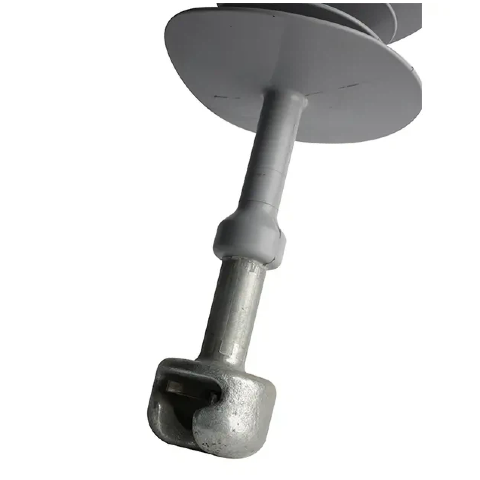
The scope of IEC 61109 includes composite long rod insulators that consist of a fiberglass core rod, polymer housing, and metal end fittings. It addresses how these components interact mechanically and electrically. The standard focuses on external insulation performance and mechanical integrity for overhead line applications.
It does not apply to porcelain insulators or to internal equipment insulation such as bushings. Its scope is clearly defined to ensure consistent evaluation of polymer-based designs.
Why rated kV alone is not enough
A common misunderstanding in RFQs is that rated voltage tells the full story. In reality, electrical performance depends on creepage distance, pollution severity, altitude, and environmental stress. Mechanical performance depends on tensile load class and end fitting strength.
IEC 61109 ensures that electrical, mechanical, and environmental aspects are considered together. A 220kV insulator for light pollution may differ significantly from one intended for coastal heavy pollution. Voltage level alone cannot determine suitability.
Long-term performance and aging considerations
Composite long rod insulators operate outdoors for decades. Exposure to UV radiation, temperature variation, contamination, and electrical stress can affect materials. IEC 61109 addresses aging resistance and sealing integrity to protect the core from moisture ingress.
Long-term reliability is not assumed; it must be demonstrated through testing and material validation. For utilities, this translates into lower lifecycle risk and reduced maintenance concerns.
The ratings buyers see on datasheets and what they really mean
Datasheets often include mechanical load ratings, creepage distance values, and fitting types. Understanding these parameters allows better comparison between offers.
Mechanical load class
Mechanical load rating defines the tensile strength the insulator can safely withstand. Suspension and tension applications have different load profiles. Tension insulators at dead-end towers carry higher axial forces than suspension units on straight-line towers.
Selecting the correct mechanical class ensures structural stability and safety margins under wind, ice, and conductor tension conditions.
Creepage distance and pollution logic
Creepage distance refers to the surface path along which leakage current may travel. It is often expressed in millimeters per kilovolt. Pollution severity determines required creepage length.
In coastal or industrial environments, longer creepage distance improves resistance to flashover. Composite long rod insulators with optimized shed profiles enhance performance by combining sufficient creepage with hydrophobic silicone housing.
End fitting type and interface quality
End fittings connect the insulator to towers and conductors. Clevis, ball, or tongue types must match system hardware. Proper crimping and bonding between core rod and metal fitting prevent mechanical failure.
Interface reliability is critical for long-term service. Even if electrical design is sufficient, mechanical weakness at fittings can compromise safety.
IEC testing structure explained in practical language
IEC 61109 organizes testing into multiple categories to verify design concept, production consistency, and manufacturing quality.
Design tests
Design tests validate the overall design concept for a product family. These tests demonstrate that the insulator configuration meets electrical and mechanical requirements. They are not repeated for every batch but confirm design integrity.
Design testing typically includes electrical withstand tests, mechanical load verification, and aging resistance assessments.
Sample tests
Sample tests verify production consistency. Units selected from a manufacturing batch are tested to ensure they meet declared specifications. This provides confidence that large-scale production maintains the same performance level as the validated design.
Sample testing bridges the gap between design approval and routine production.
Routine tests
Routine tests are conducted on every insulator produced. They detect manufacturing defects and ensure individual quality compliance. Routine mechanical and electrical inspections prevent defective units from entering the supply chain.
The combination of design, sample, and routine tests ensures layered quality assurance from concept to shipment.
What compliance evidence looks like in procurement practice
Standards matter only when documentation supports them. Clear evidence simplifies acceptance procedures.
What a test report should contain
A credible test report includes product model identification, declared ratings, testing method references, measured results, and pass or fail conclusions. Traceability is essential. Reports must correspond exactly to the supplied model.
Ambiguous or generic reports increase project risk.
The role of third-party laboratories
Independent laboratory verification adds credibility. Especially for high voltage levels such as 500kV, third-party testing reduces uncertainty for utilities and EPC contractors.
JD Electric’s composite long rod insulators from 10kV to 500kV have obtained inspection reports from XIHARI. These reports demonstrate compliance under recognized evaluation procedures and support international project acceptance.
Avoiding common misunderstandings
Type tests and routine tests serve different purposes. Type tests validate design. Routine tests confirm manufacturing consistency. Assuming that a “similar” model shares the same design classification without documentation can lead to approval delays.
Clear differentiation between these categories avoids confusion during procurement review.
IEC 61109 buyer checklist for efficient RFQs
Standards become practical when transformed into a structured request list. The following checklist can reduce communication cycles and ensure alignment.
RFQ Item | Why It Matters | What to Request | What to Watch For |
Voltage class and application | Determines design configuration | Suspension or tension statement | Voltage listed without duty clarification |
Mechanical load rating | Prevents structural failure | Declared tensile strength with safety margin | Missing fitting specification |
Pollution severity | Influences creepage distance | Creepage value and assumed environment | Copying values from unrelated projects |
Test documentation | Speeds technical approval | IEC 61109-related test reports | Reports without model traceability |
Installation constraints | Affects logistics and outage | Weight, length, hardware compatibility | Incomplete dimensional data |
Using this structured format helps buyers compare offers based on technical merit rather than headline numbers.
How JD Electric aligns with global acceptance expectations
JD Electric specializes in composite long rod insulators covering voltage levels from 10kV to 500kV for overhead transmission and distribution systems. Our production capacity reaches 2,000,000 composite insulators annually, supported by advanced manufacturing equipment and comprehensive inspection facilities.
A significant strength lies in self-production of key raw materials including silicone rubber compound, fiberglass core rods, and metal end fittings. Vertical integration enhances quality consistency and cost efficiency.
Our compliance strategy emphasizes documented validation. XIHARI inspection reports for 10–500kV products provide independent verification support. Combined with ISO9001, ISO14001, and ISO45001 certifications, these credentials strengthen confidence in product reliability and production management.
Products manufactured by JD Electric are installed across more than 20 provinces in China and over 60 countries worldwide, including the United States, United Kingdom, France, Italy, Poland, Russia, Chile, Turkey, Jordan, Korea, and India. Stable operation records without accidents reflect practical reliability under diverse environmental conditions.
For international projects, we provide comprehensive documentation packages including drawings, inspection records, routine test statements, and packaging specifications. Clear documentation supports faster technical approval and smoother project execution.
Conclusion
Understanding IEC 61109 allows buyers to compare each long rod insulator offer using a shared technical language. Voltage rating, mechanical strength, creepage distance, testing structure, and documentation integrity must all align with real operating conditions. JD Electric integrates manufacturing strength, third-party verification, and standardized documentation to deliver dependable composite solutions for global overhead line projects. If you would like support aligning your operating voltage, mechanical load, and pollution environment with a suitable specification, please contact us to discuss your project requirements. Our team is ready to provide detailed documentation for your next polymer suspension insulator application.
FAQ
1. What is IEC 61109 used for?
IEC 61109 defines technical and testing requirements for composite suspension and tension insulators used on overhead lines. It ensures electrical and mechanical reliability.
2. Why is creepage distance important for long rod insulators?
Creepage distance determines resistance to surface leakage current under polluted or wet conditions. Proper selection reduces flashover risk.
3. What is the difference between design tests and routine tests?
Design tests validate the insulator configuration, while routine tests are performed on each unit to ensure manufacturing quality.
4. Why are third-party test reports valuable for composite long rod insulators?
Independent inspection reports confirm compliance and reduce procurement risk, especially for high voltage applications.


