Introduction
Ever wondered why composite insulators are gaining popularity in electrical systems? These innovative insulators offer remarkable advantages over traditional porcelain and glass types. In this post, you'll learn about their composition, benefits, and applications, highlighting why they outperform other insulators.
Material Composition of Composite Insulators
Fiberglass-Reinforced Core
Composite insulators feature a core made of fiberglass-reinforced epoxy resin. This core provides excellent mechanical strength and electrical insulation. Fiberglass offers a high strength-to-weight ratio, making the insulator both strong and lightweight. It also resists corrosion and environmental degradation better than traditional ceramic materials. This core acts as the structural backbone, allowing the insulator to withstand mechanical stresses during installation and operation.
Silicone Rubber Housing
The fiberglass core is covered with a silicone rubber housing. Silicone rubber is hydrophobic, meaning it repels water, preventing continuous water films that can cause electrical leakage or flashovers. This housing protects the core against UV radiation, chemicals, and pollution, maintaining the insulator's performance in harsh environments. Unlike porcelain or glass, silicone rubber can recover its hydrophobicity even after contamination or electrical discharge, thanks to low molecular weight components migrating to the surface.
Advantages of Composite Materials
Using a combination of fiberglass and silicone rubber offers several key benefits over porcelain and glass insulators:
Lightweight: The composite materials reduce overall weight, easing handling, transport, and installation.
High Mechanical Strength: The fiberglass core provides toughness and flexibility, reducing breakage risk from impacts or vibrations.
Hydrophobic Surface: Silicone rubber prevents water accumulation, minimizing leakage currents and surface tracking.
Corrosion Resistance: Both core and housing resist chemical attack and environmental degradation.
Design Flexibility: The materials allow manufacturers to produce insulators in various shapes and sizes to meet specific needs.
Durability: Composite insulators maintain performance over long service lives, even in polluted or coastal environments.
Together, these materials create insulators that outperform traditional porcelain and glass types in many applications. Their superior mechanical and electrical properties, combined with environmental resilience, make composite insulators an excellent choice for modern electrical systems.
Mechanical and Electrical Advantages
Lightweight and High Mechanical Strength
Composite insulators are much lighter than porcelain or glass counterparts. Their fiberglass-reinforced core offers a high strength-to-weight ratio. This means they can handle mechanical stresses like tension, bending, and compression without breaking easily. Porcelain insulators, although strong, are brittle and heavier, making them prone to cracks or breaks during handling or under impact. Glass insulators also share this brittleness and weight issue.The lighter weight of composite insulators simplifies transportation and installation. It reduces labor costs and the risk of damage during handling. Additionally, composite insulators absorb shocks and vibrations better than porcelain or glass. This flexibility helps them withstand mechanical stresses caused by wind, earthquakes, or vibration from electrical equipment.
Superior Dielectric Performance
Composite insulators provide excellent electrical insulation. Their fiberglass core has high dielectric strength, preventing electrical current from leaking through the insulator. The silicone rubber housing further enhances this by repelling water and contaminants that can reduce insulation quality.Porcelain and glass insulators offer good dielectric properties but are more vulnerable to surface contamination. When wet or dirty, their surfaces can conduct electricity, increasing flashover risk. Composite insulators’ hydrophobic silicone surface prevents continuous water films, minimizing leakage currents and improving reliability, especially in wet or polluted environments.
Resistance to Impact and Vibration
Composite insulators withstand impacts and vibrations better than porcelain or glass. Their flexible materials absorb energy from shocks, reducing the chance of cracks or fractures. Porcelain and glass are rigid and brittle, so sudden impacts or vibrations often cause damage.This resilience makes composite insulators ideal for areas prone to natural disasters or vandalism. Even if damaged internally, composite insulators tend to stay intact and do not shatter into dangerous shards, unlike porcelain or glass. This improves safety for personnel and reduces equipment damage.
Environmental and Maintenance Benefits
Hydrophobic Properties
One major advantage composite insulators have over porcelain and glass is their hydrophobic surface. The silicone rubber housing repels water, preventing a continuous film from forming. This stops water from creating a conductive path that can cause leakage currents or flashovers. Even when contaminated by dirt or pollution, composite insulators maintain their water-repelling ability. This happens because low molecular weight compounds migrate to the surface, restoring hydrophobicity after being washed or after electrical discharges. Porcelain and glass insulators, in contrast, have hydrophilic surfaces that attract water, increasing the risk of electrical failures during wet or polluted conditions.
Corrosion Resistance
Composite insulators resist corrosion much better than porcelain or glass. The fiberglass core does not rust or degrade when exposed to chemicals or salt, and the silicone rubber housing protects against UV radiation and environmental pollutants. Porcelain and glass can suffer surface cracks or glaze deterioration over time, especially in harsh environments like coastal or industrial areas. These materials can also accumulate dirt and salt deposits that are harder to remove, leading to faster degradation and reduced insulation performance. Composite insulators maintain their integrity and performance over longer periods even in corrosive settings.
Reduced Maintenance Requirements
Thanks to their hydrophobic and corrosion-resistant properties, composite insulators need less frequent cleaning and maintenance. Porcelain and glass insulators often require regular washing to remove dirt, salt, and pollutants that can cause surface conductivity and flashovers. This cleaning is labor-intensive, costly, and sometimes risky, especially in high-voltage or hard-to-access locations. Composite insulators usually stay cleaner longer because dirt and salts do not stick well to their silicone surfaces and are easily washed away by rain. This reduces downtime and maintenance expenses, improving overall system reliability and lowering total cost of ownership.
Design Flexibility and Applications
Customizable Shapes and Sizes
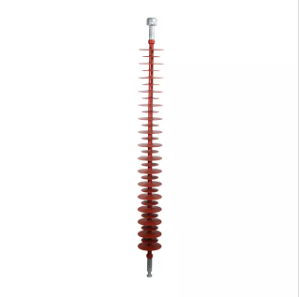
Composite insulators offer remarkable design flexibility compared to porcelain and glass insulators. Their materials—fiberglass core and silicone rubber housing—allow manufacturers to mold various shapes and sizes tailored to specific needs. Unlike porcelain, which is rigid and limited to standard forms, composites can be produced in lengths exceeding 12 meters in one piece. This flexibility helps engineers optimize insulator designs for different voltage levels and mechanical stresses.Because composites are lightweight and less brittle, they can be shaped into complex geometries, including conical or alternating shed profiles. These designs improve creepage distance without increasing size, enhancing electrical performance in polluted or moist environments. Also, composite insulators can integrate additional features, such as polymeric flanges or embedded optical fibers, enabling multifunctional use beyond simple insulation.
Applications in High-Voltage Equipment
Composite insulators are widely used in high-voltage equipment like transformers, circuit breakers, and gas-insulated switchgear (GIS). Their lightweight nature makes handling and installation easier, reducing labor and transportation costs. The high mechanical strength and flexibility help them withstand dynamic stresses from electrical faults or seismic activity.In ultra-high voltage (UHV) and high-voltage direct current (HVDC) systems, composites are preferred because porcelain insulators face size and cost limitations at these scales. Composite insulators also reduce the risk of catastrophic failure during impacts, as they do not shatter like glass or porcelain. This feature enhances safety for personnel and equipment in substations and transmission lines.
Use in Polluted or Adverse Environments
Composite insulators excel in polluted, coastal, or industrial environments where dirt, salt, and chemicals challenge traditional insulators. Their silicone rubber housing is hydrophobic, repelling water and preventing continuous moisture films that cause leakage currents and flashovers. Even when pollution accumulates, composites maintain hydrophobicity thanks to low molecular weight components migrating to the surface.This property reduces cleaning frequency and maintenance costs compared to porcelain or glass, which attract contaminants and require regular washing. Composite insulators’ corrosion resistance also protects them from chemical degradation and UV damage. These advantages make them ideal for harsh environments where reliability and longevity are critical.
Cost Considerations and Long-Term Value
Initial Cost vs. Long-Term Savings
Composite insulators usually have a higher upfront cost than porcelain or glass insulators. This is mainly due to advanced materials like fiberglass cores and silicone rubber housings. However, the initial investment often pays off over time. Their lightweight nature reduces transportation and installation expenses. Plus, composites resist damage better during handling, lowering replacement costs.Porcelain insulators may seem cheaper initially but require more frequent maintenance and cleaning, especially in polluted or coastal environments. Glass insulators share similar maintenance needs and risk breakage during installation. Composite insulators’ hydrophobic surfaces reduce contamination buildup, cutting cleaning frequency and related labor costs.
Durability and Lifespan
Composite insulators offer superior durability compared to porcelain and glass. Their materials resist corrosion, UV radiation, and environmental stressors better. Porcelain can develop surface cracks, and glass is brittle, both leading to shorter service lives or unexpected failures.Thanks to flexible fiberglass cores and impact-resistant silicone rubber, composites withstand shocks, vibrations, and natural disasters more effectively. This durability translates into longer operational lifespans, often exceeding 30 years under typical conditions. Longer service life means fewer replacements, reducing lifecycle costs.
Investment Justification
Although composite insulators cost more initially, their mechanical strength, electrical reliability, and environmental resistance justify the investment. Reduced maintenance, fewer outages, and longer lifespan improve overall system uptime and safety. These factors lower total cost of ownership compared to porcelain or glass options.For utilities and industrial users, investing in composite insulators means better performance in harsh environments, less downtime, and smoother operations. The ability to customize designs for specific applications also adds value, allowing optimized solutions that can handle higher voltages or pollution levels.
Conclusion
Composite insulators offer numerous advantages over porcelain and glass insulators, including lightweight design, superior mechanical strength, and hydrophobic properties. These features reduce maintenance costs and enhance reliability in harsh environments. Opting for composite insulators like those from JD-Electric ensures long-term savings and improved performance. As demand for higher voltages increases, composite insulators will continue to evolve, integrating advanced features and materials. JD-Electric provides cutting-edge solutions, delivering exceptional value and reliability in power systems.
FAQ
Q: What is a composite insulator?
A: A composite insulator consists of a fiberglass-reinforced core and a silicone rubber housing, offering superior mechanical strength, electrical insulation, and environmental resistance compared to porcelain and glass insulators.
Q: How do composite insulators compare in cost to porcelain and glass insulators?
A: Composite insulators typically have a higher initial cost due to advanced materials but offer long-term savings through reduced maintenance, fewer replacements, and improved durability, making them cost-effective over time.
Q: Why are composite insulators preferred in polluted environments?
A: Composite insulators are preferred in polluted environments because their hydrophobic silicone rubber housing repels water and contaminants, reducing leakage currents and maintenance needs compared to porcelain and glass insulators.
Q: What benefits do composite insulators offer in high-voltage applications?
A: Composite insulators provide lightweight, customizable designs that handle high voltages effectively, reducing joint weak points and improving reliability in transmission systems compared to porcelain and glass insulators.
Q: How can composite insulators be used in smart grid technologies?
A: Composite insulators can integrate advanced features like embedded optical fibers for remote sensing, enabling real-time monitoring of electrical systems, which supports smart grid technologies and enhances efficiency.


