High-voltage transmission networks push massive electrical loads across vast geographical distances. These powerful grid lines require robust isolation between live conductors and grounded support infrastructure. Single-unit isolating devices simply fail to scale effectively under extreme electrical and mechanical stress. You cannot manufacture a single solid barrier large enough to handle extreme voltages safely. Massive solid blocks crack under structural vibration. They also suffer catastrophic electrical flashovers during severe storm events.
Engineers needed a smarter way to handle the intense demands of regional power distribution. The multi-disc design of a suspension Insulator is not merely an aesthetic choice. It is a carefully calculated engineering solution. It actively balances dielectric strength, physical flexibility, and long-term operational expenditure. We will explain the precise technical mechanics driving this modular architecture. You will learn the exact reasons multiple discs outperform rigid single units. Finally, we will provide a practical framework for procurement teams evaluating high-voltage infrastructure configurations.
Key Takeaways
Scalable Voltage Distribution: Each disc acts as a modular capacitive barrier (typically rated around 11kV), distributing voltage stress and preventing flashovers.
Maximized Creepage Distance: The stacked, shed-like profile increases the surface distance, disrupting conductive paths formed by water, salt, or industrial pollution.
OPEX Reduction: Modularity ensures fault tolerance; damaged discs can be replaced individually without discarding the entire insulator string.
Infrastructure Impact: Multi-disc strings require taller towers and longer cross-arms, demanding careful upfront structural planning.
The Electrical Imperative: Managing High-Voltage Stress
When power travels above 33kV, electrical stress becomes intensely destructive. A single piece of material struggles to contain this massive energy. We solve this critical barrier problem by stacking multiple discs together. This transforms a vulnerable single point of failure into a resilient, distributed system.
You can think of each disc as a discrete capacitor. When engineers string them together, they form a series capacitor circuit. This brilliant configuration divides the total potential difference. The voltage drops across each individual unit instead of crossing one massive barrier. A standard porcelain or glass disc safely handles about 11kV of electrical stress. Stringing ten discs together comfortably isolates a 110kV transmission line. This modular approach significantly reduces the sheer voltage stress placed on any single unit.
Dielectric boundaries inherently face non-linear field distribution. Air and solid materials behave differently under high electric loads. Stacking discs helps manipulate the surrounding electric field. However, the distribution is never perfectly even. The disc closest to the live conductor always bears the highest electrical stress. The surrounding air gap acts as a secondary dielectric. This complicates the overall stress distribution along the string. We must manage this unequal load carefully to prevent localized degradation.
You cannot leave this uneven stress unchecked. Multi-disc setups rely on grading rings as necessary supplementary components. A grading ring creates an artificial equipotential region. It encircles the highest-stress area directly near the energized conductor. This smooth metal ring redistributes the electric field. It forces the invisible field lines into a much more uniform shape. The ring protects the lowest discs from premature degradation. It pushes the field lines outward, drastically lowering the risk of a destructive flashover.
Asset Protection: Mechanical Flexibility and Environmental Defense
High-voltage lines face brutal outdoor environments year-round. They endure freezing rain, gale-force winds, and corrosive industrial smog. A multi-disc string provides critical physical defense against these relentless external threats. It acts as both an electrical shield and a mechanical shock absorber.
Rigid pin insulators often snap under heavy mechanical stress. Suspension strings swing flexibly from the transmission tower. This pendulum action dissipates mechanical shock efficiently. Wind vibration shakes the lines constantly across open plains. Ice loading adds immense weight during severe winter storms. Thermal expansion causes heavy metal lines to sag in extreme summer heat. The flexible string absorbs these dynamic forces smoothly. It protects both the fragile conductor and the rigid steel tower from structural fatigue.
Electrical current constantly seeks the easiest path to ground. Surface contamination creates a dangerous conductive trail along the hardware. The corrugated, multi-disc geometry artificially lengthens this surface path. Engineers call this vital measurement the creepage distance. A longer creepage distance forces leakage currents to travel much further. This drains their energy before they can trigger a flashover.
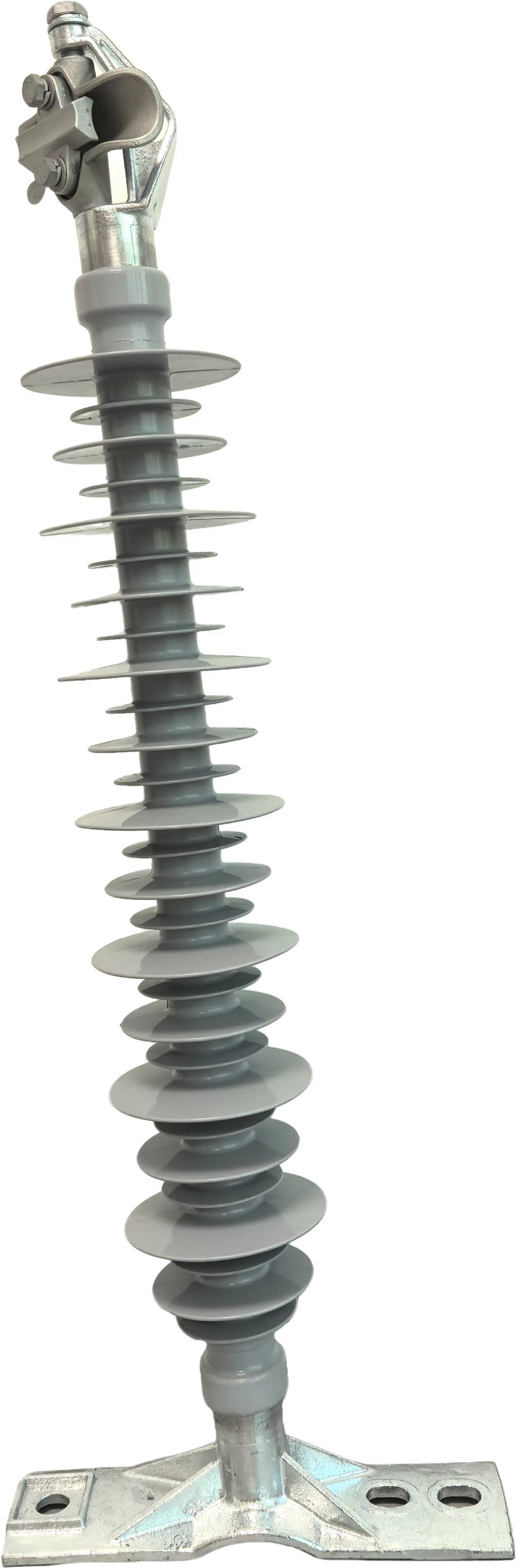
These discs feature an aerodynamic, shed-like profile. This specific shape serves a highly practical environmental purpose. It disrupts conductive paths formed by heavy rain. Here are the core self-cleaning mechanisms at work:
Water Film Disruption: The umbrella-like shape prevents heavy rain from forming a continuous, unbroken water film across the string.
Wind Scouring: Aerodynamic curves allow natural wind streams to clear away conductive contaminant build-up safely.
Dry Band Maintenance: The sheltered underside of each disc remains relatively dry during storms. This preserves a vital dry insulation barrier.
The Commercial Argument: Modularity and Lifecycle ROI
Building transmission networks requires massive capital investment. Procurement teams must look far beyond initial hardware purchase prices. Multi-disc designs deliver significant commercial advantages through lifecycle flexibility. They keep operational budgets highly predictable.
Grid demands change frequently over time. Utilities often upgrade a line's voltage capacity to meet rising regional energy needs. The multi-disc design offers a highly scalable procurement advantage. Upgrading capacity often requires simply adding more discs to the existing string. You do not need to engineer entirely new form factors. This modularity speeds up grid expansions for Extra High Voltage (EHV) and Ultra High Voltage (UHV) transmission networks.
Redundancy keeps commercial power grids online. Mechanical shocks or stray lightning strikes occasionally shatter individual ceramic units. A modular design provides built-in fault tolerance. Here are the primary operational benefits of this redundancy:
Immediate Line Survival: If one disc suffers a complete failure, the remaining healthy discs maintain sufficient insulation.
Operational Continuity: The transmission line stays fully active without causing an expensive localized blackout.
Deferred Maintenance: Repair crews can log the damage remotely and wait for optimal scheduled maintenance windows.
Targeted repairs create huge operational expenditure (OPEX) benefits. Maintenance crews can easily swap out a single compromised unit. They never have to discard the entire complex assembly. This surgical approach reduces expensive material waste. It also minimizes the dangerous labor hours required for high-altitude field repairs. A well-designed Insulator configuration delivers reliable financial value decade after decade.
Procurement Framework: Evaluating Multi-Disc Suspension Insulators
Procurement engineers face numerous configuration choices. Selecting the right materials and profiles ensures decades of reliable service. You must match the physical hardware precisely to the specific geographic environment of the installation.
The primary manufacturing materials are porcelain, glass, and composite polymers. Toughened glass offers a major preventative maintenance advantage. It shatters completely upon failure. This allows extremely easy visual fault detection from a ground-level inspection. High-alumina porcelain provides proven thermal-mechanical longevity. Porcelain thrives in highly corrosive environments where lesser synthetic materials degrade rapidly.
Extreme geographical environments demand specialized disc shapes. Buyers must frequently specify "Fog-type" or "Aerodynamic" disc profiles. Fog-type units feature much deeper under-ribs. They trap less salt fog in harsh coastal regions. Aerodynamic profiles perform substantially better in dry desert areas. They allow abrasive sand and heavy industrial pollution to blow away easily.
You should evaluate manufacturers based on their preventative engineering capabilities. High-voltage Direct Current (HVDC) lines introduce unique material hazards. DC currents often cause localized electrolytic corrosion on metal connecting pins. This phenomenon leads to premature mechanical string failure. Top-tier manufacturers utilize high-purity zinc sleeves as sacrificial anodes. The zinc corrodes safely over time. The structural steel pin remains completely perfectly intact.
| | | Comparison of High-Voltage Materials |
Material Type | Primary Advantage | Best Environmental Use Case | Common Engineering Trade-Off |
High-Alumina Porcelain | Exceptional thermal-mechanical longevity | Highly corrosive or high-load environments | Heavy weight, difficult visual inspection |
Toughened Glass | Immediate visual fault detection | Standard AC/DC transmission networks | Prone to complete shattering on hard impact |
Composite Polymer | Lightweight and highly hydrophobic | High pollution and heavy urban zones | Shorter lifespan under severe UV exposure |
Implementation Realities: Infrastructure Trade-Offs
We must maintain objective engineering trustworthiness. Multi-disc systems provide immense safety, but they carry a distinct primary drawback. Suspension strings hang vertically downward. This physical orientation actively reduces the effective ground clearance of the live conductor.
This vertical hanging necessitates significantly taller transmission towers. Taller towers require substantially more structural steel. Initial construction budgets must account for these larger concrete foundations and heavier steel frames. You must build a massive supporting structure just to accommodate the physical length of the required string.
The flexible swing protects the line beautifully. However, it introduces complex clearance challenges. Wind sway requires much longer tower cross-arms. If the horizontal arms are too short, the energized conductor might swing dangerously close to the grounded tower body. Engineers meticulously calculate the maximum possible swing angle. They size the steel cross-arms to ensure dielectric safety under the absolute worst-case wind conditions.
| | Chart: Structural Trade-Offs of Multi-Disc Implementation |
Design Requirement | Infrastructure Impact | Required Engineering Solution |
Vertical String Hanging | Reduced conductor ground clearance | Increase overall base tower height |
Wind Sway (Pendulum Effect) | Risk of flashover to tower body | Extend length of steel cross-arms |
Added Hardware Weight | Higher structural load on tower | Reinforce tower foundations and joints |
While initial infrastructure costs definitely rise, the broader long-term financial balance justifies the investment. Lines operating above 33kV gain immense daily reliability. You spend more capital upfront on the steel tower construction. You recover those costs through drastic reductions in hardware maintenance and expensive grid downtimes.
Conclusion
The multi-disc suspension architecture represents a rigorously tested standard for high-voltage transmission. It perfectly merges dielectric safety with vital mechanical resilience. Single rigid units simply cannot handle the extreme thermal and electrical stresses of modern power grids. The stacked disc design distributes invisible electrical fields efficiently. It protects physical infrastructure from wind, ice, and daily wear. It also provides crucial fault tolerance for stretched maintenance crews.
Buyers should audit their specific environmental conditions immediately before procurement. Assess your local pollution severity, expected seasonal wind loads, and line current type. Use this precise data to determine the exact material, required disc count, and optimal shed profile. Engage your manufacturing partners early in the design phase. This proactive planning secures the longest possible lifecycle for your expensive grid hardware.
FAQ
Q: At what voltage is a multi-disc suspension insulator required?
A: Engineers typically transition from rigid pin-type designs to multi-disc suspension strings at the 33kV threshold. Below 33kV, single-piece units remain cost-effective and mechanically stable. Above 33kV, the required size for a single unit becomes too bulky, heavy, and brittle. Multi-disc setups safely handle these higher voltages.
Q: How do you determine the number of discs needed in an insulator string?
A: You calculate the base disc count by dividing the system's phase voltage by the voltage rating per disc. Engineers never stop at the base math. They always add extra safety margins. You must include additional discs to account for local pollution severity, high-altitude air density, and potential overvoltage surges.
Q: What happens if one disc in the string shatters?
A: Multi-disc strings feature built-in fault tolerance. If one disc shatters due to lightning or mechanical impact, the line remains active. The remaining healthy discs provide enough insulation to prevent a flashover. The overall safety margin drops slightly. Repair crews replace the single broken unit during the next scheduled maintenance cycle.
Q: Can suspension discs be used in horizontal configurations?
A: Yes, but their function changes. When hung vertically, they act as suspension strings carrying the conductor's downward weight. When pulled horizontally, they operate as strain or tension configurations. Engineers use horizontal setups at dead-ends, river crossings, or sharp line angles where the string withstands intense lateral pulling forces.


